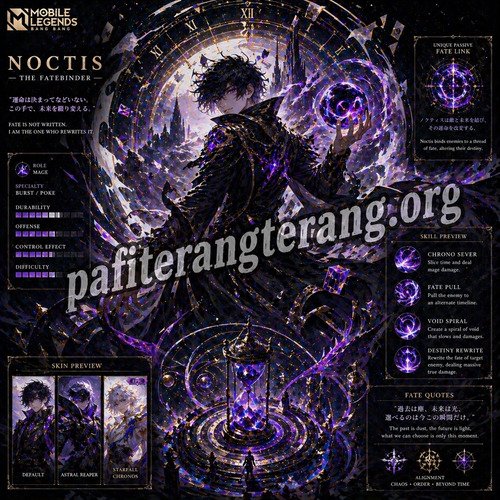
pafiterangterang.org – The world of mobile gaming has grown rapidly over the past decade, but only a few titles have managed to build a truly loyal competitive community. One of the most successful examples is Mobile Legends: Bang Bang, a fast-paced multiplayer battle arena developed by Moonton. The game attracts millions of players because it combines strategy, mechanical skill, teamwork, and fast decision-making into matches that usually last less than twenty minutes.
At first glance, the gameplay may seem simple: two teams enter an arena, destroy enemy towers, and aim for the opposing base. However, beneath that straightforward concept lies a deep tactical experience. Every hero, item, emblem setup, and team composition can dramatically influence the outcome of a match. For beginners, the game can feel overwhelming because there are many heroes, maps, objectives, and mechanics to understand. For experienced players, improvement often comes from mastering the small details that many others overlook.
Understanding how to play effectively is not just about winning individual duels. Success in the game depends on map awareness, communication, timing, and adapting to the constantly changing situation on the battlefield. Learning the fundamentals properly creates a strong foundation that can carry players from casual matches to higher ranked competition.
Understanding the Core Gameplay of Mobile Legends
Every match in Mobile Legends: Bang Bang takes place on a symmetrical map divided into three lanes: top, middle, and bottom. Between these lanes lies the jungle, an area filled with neutral monsters that grant gold, experience, and buffs. The main goal is not to achieve the highest number of kills but to destroy the enemy’s base crystal. This distinction is important because many new players become too focused on chasing kills and forget the actual objective.
Each lane is protected by defensive towers. These towers serve as the first line of defense and must be destroyed sequentially before reaching the enemy base. A team that pushes lanes effectively often wins even against opponents with more kills. This is why strategic positioning and objective control matter more than flashy plays.
The battlefield also contains important neutral objectives such as the Turtle and the Lord. The Turtle grants extra gold and experience, giving an economic advantage in the early game. The Lord, on the other hand, is a powerful summoned creature that pushes lanes and can help break through defensive structures. Teams that secure these objectives often control the pace of the match.
Hero Roles and Their Responsibilities
One of the most important aspects of learning the game is understanding hero roles. Every hero belongs to a specific class, and each class contributes differently during battle. Players who ignore their role’s responsibilities usually become a burden for the team.
The Tank is designed to absorb damage and initiate fights. Tanks lead engagements, protect fragile teammates, and create space during battles. They are not expected to deal massive damage, but their crowd control abilities often determine whether a team fight succeeds.
The Marksman is typically the primary damage dealer in the late game. These heroes rely on items and positioning. Inexperienced players often misuse Marksmen by entering fights too early or moving without protection. Since they are vulnerable, they must stay behind the frontline and attack safely.
The Mage specializes in burst damage or area control. Mages can eliminate enemies quickly with spells, especially during the early and mid stages. Their effectiveness depends heavily on skill accuracy and timing.
The Assassin excels at targeting high-priority enemies. These heroes are fast, lethal, and capable of deleting fragile targets. However, they are usually difficult to master because they require precise execution and quick decision-making.
The Fighter combines durability with decent damage, making them flexible in lane duels and skirmishes. They can sustain prolonged combat and often become crucial during side-lane pressure.
The Support focuses on helping teammates through healing, shields, or crowd control. While often underestimated, a good Support can completely change the flow of a team fight.
Match Phases and How They Affect Strategy
Every game can be divided into early, mid, and late phases. Knowing what to do in each stage is essential.
In the early game, the focus should be on farming, securing buffs, and avoiding unnecessary deaths. This is the stage where small mistakes can snowball into larger disadvantages. Losing the first Turtle or dying repeatedly in lane can give the enemy a significant lead.
The mid game revolves around rotations and objectives. Players begin leaving their lanes more often to assist teammates, contest jungle camps, and take towers. This phase often determines which team gains map control.
The late game is where one mistake can decide everything. Respawn timers become longer, and a single lost team fight can lead directly to defeat. At this point, patience and coordination are more important than aggression.
How to Play Effectively and Improve Your Skills
A common mistake among new players is choosing heroes based solely on appearance or popularity. While it is natural to be attracted to flashy skills, long-term improvement depends on selecting heroes that match your playstyle.
Players who enjoy leading fights and protecting allies may feel comfortable with Tanks or Fighters. Those who prefer dealing damage from a safe distance often perform better with Marksmen or Mages. Aggressive players who like hunting isolated enemies may enjoy Assassins.
Rather than trying to master many heroes at once, it is better to focus on three to five heroes from different roles. This approach allows flexibility in team drafts while maintaining consistency. By repeatedly using the same heroes, players develop better understanding of their cooldowns, damage potential, and matchups.
Another important factor is adapting to the team composition. Sometimes the hero you want is not what the team needs. If everyone picks damage dealers, choosing a Tank or Support may dramatically increase your chances of winning. Adaptability often separates strong players from selfish ones.
Farming, Gold Management, and Item Progression
Gold is one of the hidden foundations of success. Even if two players use the same hero, the one with better farming usually becomes stronger much earlier. Efficient farming means clearing minion waves, taking jungle camps when appropriate, and participating in objective kills.
Last-hitting is not as emphasized as in some PC MOBAs, but wave management still matters. Clearing minions quickly before rotating can create pressure on the map. Ignoring waves means losing gold and allowing the enemy to push.
Itemization is equally critical. Many players simply copy recommended builds without understanding why those items are chosen. A strong player adjusts builds depending on the enemy team. For example, if opponents have high physical damage, defensive armor items become valuable. Against heavy magic burst, magic resistance is often necessary.
Building correctly can completely change the outcome of fights. A Marksman who buys defensive items at the right moment may survive long enough to deal decisive damage. A Tank with anti-heal equipment can neutralize heroes that rely on regeneration.
Positioning and Team Fight Awareness
Team fights are where many matches are won or lost. Positioning is one of the most overlooked skills, yet it often matters more than raw mechanical ability.
Frontline heroes should position aggressively to create vision and absorb initial attacks. Damage dealers must remain behind the frontline, attacking from safe angles. Diving into the center of the enemy formation without support usually results in immediate death.
Map awareness also plays a huge role. Constantly glancing at the minimap helps predict enemy movement. If several enemies disappear from the map, it usually means they are rotating for an ambush or objective. Players who ignore this information often get caught alone.
A good habit is to ask yourself two questions every few seconds: where are the enemies, and what objective is available? This simple mental check dramatically improves decision-making.
Rotation and Map Control
Rotation refers to moving between lanes efficiently to create pressure. Strong teams do not stay in one lane for too long. After clearing a wave, they rotate to assist another lane, invade the jungle, or secure objectives.
For example, a mid-laner often clears the middle wave first because it is the shortest lane. This allows them to quickly help top or bottom. Successful rotations can create numerical advantages, turning a 2v2 into a 3v2.
Map control means having dominance over key areas. This includes securing jungle entrances, controlling vision near objectives, and forcing the enemy into defensive positions. When your team controls more of the map, farming becomes safer and objectives become easier to secure.
Communication and Team Synergy
Although many players queue solo, communication remains vital. Even simple pings can provide valuable information. Signaling enemy missing positions, requesting backup, or marking objectives can prevent disasters.
Team synergy also matters greatly. Certain heroes perform exceptionally well together. A Tank with strong crowd control can set up a Mage’s area damage, creating devastating combos. Understanding these interactions helps teams coordinate more effectively.
Toxic behavior often destroys matches more than poor mechanics. Players who argue, blame teammates, or surrender mentally after one mistake usually perform worse. Staying calm and focusing on the next objective gives a much better chance of recovery.
Common Mistakes That Hold Players Back
Many players stay stuck in the same rank because they repeat the same errors. One common mistake is overextending. Chasing an enemy too far into dangerous territory often results in being surrounded and killed.
Another mistake is fighting without purpose. Not every enemy encounter needs to become a battle. Sometimes retreating and defending a tower is the smarter decision. Engaging only when objectives are available makes fights more meaningful.
Poor drafting is another issue. Choosing heroes without considering team balance can create weaknesses. A lineup without crowd control or frontline often struggles regardless of individual skill.
Finally, many players underestimate patience. The best opportunities often come from waiting for the enemy to make a mistake. Rushing into every situation creates unnecessary risks.
Conclusion Mastering Mobile Legends: Bang Bang: A Complete Guide to Playing Smarter and Winning More Matches
Mobile Legends: Bang Bang is far more than a simple mobile game. It combines strategic thinking, teamwork, hero mastery, and real-time adaptation into a competitive experience that rewards continuous learning. While the basic objective is straightforward, mastering the game requires understanding map control, hero roles, item choices, and the timing of objectives.
Players who want to improve should focus first on fundamentals: learning a small hero pool, understanding each phase of the match, and prioritizing objectives over kills. As these basics become second nature, more advanced concepts such as rotations, drafting, and team synergy become easier to apply.
The most successful players are not always those with the fastest fingers. Often, they are the ones who read the map better, choose smarter fights, and make disciplined decisions under pressure. With consistent practice, self-awareness, and a willingness to adapt, any player can become more effective and climb the ranked ladder.
In the end, winning in Mobile Legends is not just about individual talent. It is about understanding the bigger picture of every match and making choices that help the entire team move toward victory.